How to Explain Flood Insurance to Clients Buying a New Home
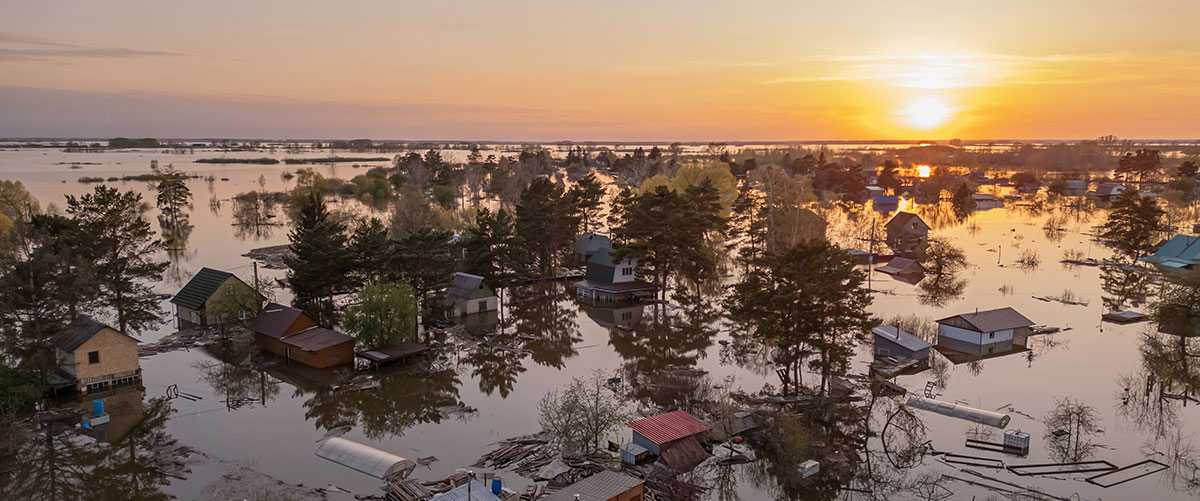
By the time your clients close on their new home, they will know the home’s square footage and the age of its roof. But they might not know whether the home has ever flooded: More than a third of states do not require sellers to disclose flood history, and lenders typically raise the subject only if coverage is federally mandated.
While there are already so many stressors baked into the homebuying process, from finding the right property to competing offers and pricing concerns, evaluating the risk of flooding is an important consideration to add to the list.
This guide is designed to help you answer the flood questions your clients are likely to ask, so you can address their concerns and help them find coverage that fits their new home.
Concern #1: What flood zone is my house in?
You can use the FEMA Flood Map Service Center and First Street to assess your client’s flood zone. Just enter their property address and either tool will locate the applicable flood map, as well as when it was last updated. You can then download the map, which should display the property’s designated flood zone.
But a favorable flood zone is not the end of the conversation. According to FEMA, one third of National Flood Insurance (NFIP) claims from 2014 to 2024 came from areas outside designated high-risk flood zones, known as Special Flood Hazard Areas (SFHAs). Homes located within these SFHAs are also 27 times more likely to experience a flood than a residential fire over the course of a 30-year mortgage.
Given that flooding can occur outside high-risk zones, you may want to discuss flood insurance with clients regardless of where their property is located.
Concern #2: What do the different flood zones mean?
Flood zones fall into three categories:
- High-Risk Zones (A zones), where there is a 1-in-4 chance of flooding over the course of a 30-year mortgage, and flood insurance is mandatory.
- High-Risk Coastal Zones (V zones), which are similar to High-Risk Zones, but with the additional hazard of storm waves.
- Moderate to Low-Risk Zones (B/C/X zones), where flood insurance is not mandatory.
For a deeper dive into the full range of flood zone codes, visit our blog. In short, flood zones that start with the letter A or V are considered high-risk. However, as noted above, floods can and do happen outside of high-risk zones—and flood zones can change.
Concern #3: Can a flood zone change?
The short answer is yes. Your client may buy a home in a low- or moderate-risk flood zone, where flood insurance could be beneficial but isn’t mandatory. Over time, local flood plain managers may commission a new study of an area, or FEMA may acquire new data that paints a more accurate picture of flood risk. An area’s flood risk can change due to any of several factors, including:
- New construction or landscape development
- Changing weather patterns
- Levee or dam building
The data may lead to a reclassification of the area into a higher-risk, mandatory flood insurance zone. Officials periodically commission new studies to update flood zone maps. Earlier this year, for example, hundreds of homes in the Nashville area were remapped into high-risk flood zones that mandate flood insurance coverage. Or the reassessment could determine that flood risks have declined, which may lower your client’s premium or remove the requirement altogether.
Concern #4: Is the homebuying process different if I include flood insurance?
For homes in moderate- or low-risk flood zones, there is nothing different about the homebuying process. If your client is using a government-backed mortgage to finance a home purchase in a high-risk flood zone, flood insurance will likely be required as part of the lending process.
An elevation certificate, which shows if the property meets local flood ordinances, is not required to purchase flood insurance through the National Flood Insurance Program (NFIP). Under FEMA’s pricing methods, your client may choose to provide you with an elevation certificate to potentially lower their insurance cost.
Aon Edge continues to offer EZ Flood, our private flood insurance product, without the need for an elevation certificate.
Are your clients aware of the flood risk in their dream home?
Discussing flood risks and insurance options early in the process may help clients better understand potential exposures and costs. More than a third of states do not require sellers to disclose any information about flood risk or flood history to homebuyers, and disclosure rules vary among the states that do. If your client’s new home is in a high-risk zone and they are required to purchase flood insurance, they may not know until very late in the homebuying process. If the new home is in a moderate- to low-risk area where flood insurance is not required, they may never learn about the neighborhood’s history of flooding.
You want your clients to have every option available to them. Help them understand potential flood risks so they can make an informed decision about whether flood insurance fits their situation.
This information is provided for general informational purposes only and is not intended to provide individualized business, insurance or legal advice. This information is not a replacement for any NFIP publications.